The Sabrina Foundation
Event
World Sickle Cell Day 2026
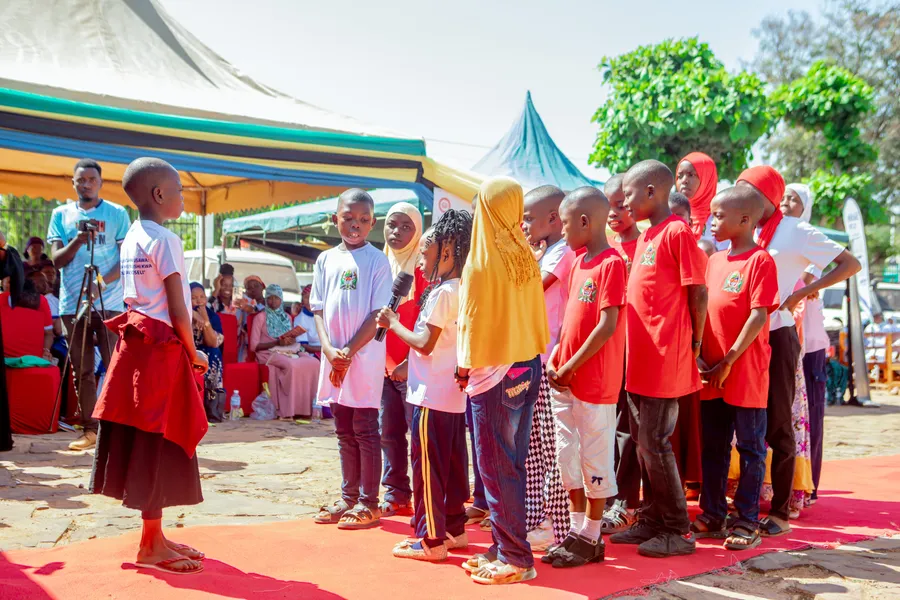
Kigoma was chosen deliberately. It is one of the regions with the highest rate of Sickle Cell births in Tanzania — a place where this disease touches nearly every community, and where awareness is needed most.
Raising Awareness Before the Day
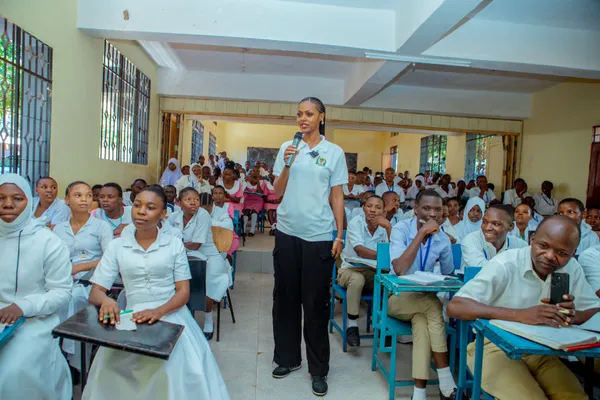
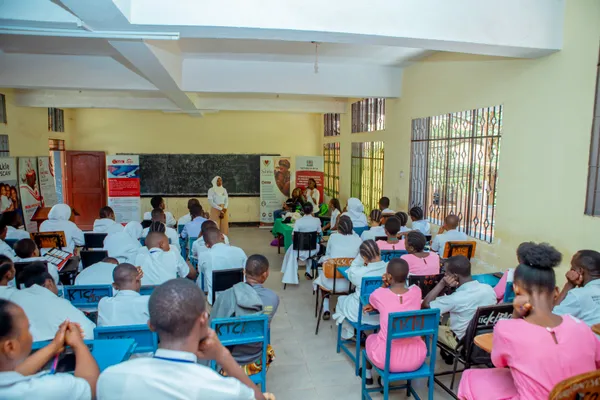
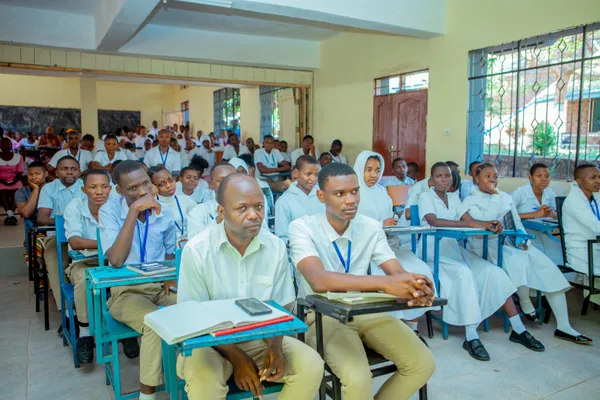
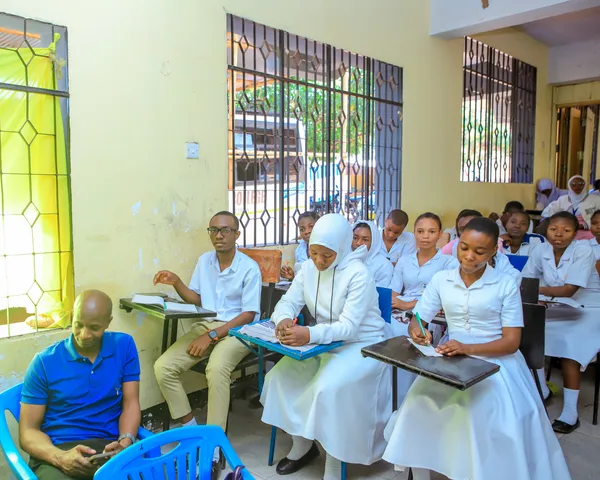
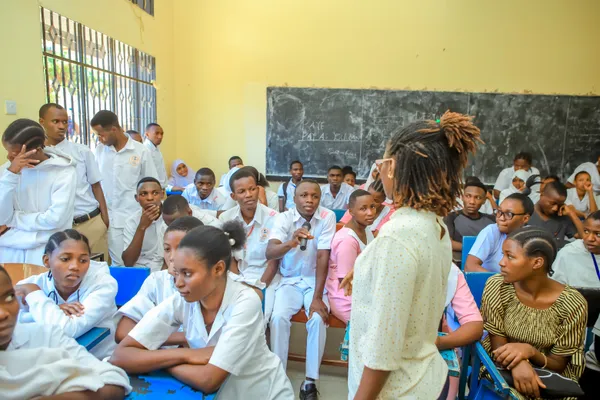
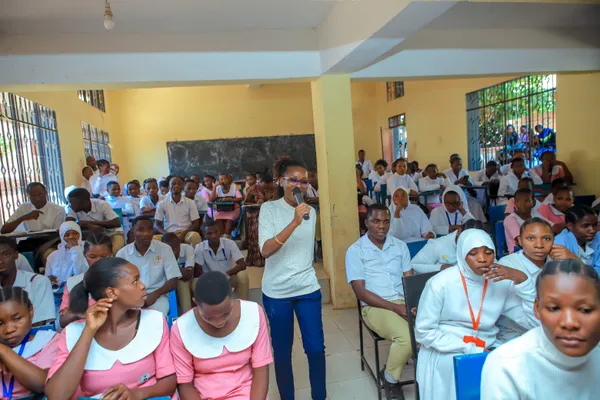
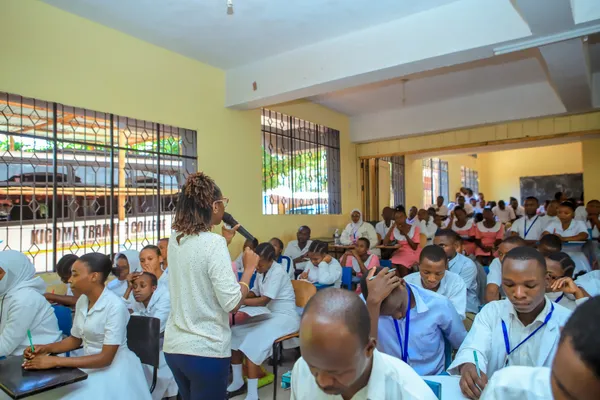
In the days leading up to World Sickle Cell Day, the Sabrina Foundation partnered with the Tanzania Sickle Cell Disease Alliance and the Bone and Blood Foundation to run an awareness and education campaign at Kigoma Training College.
Students learned about Sickle Cell Disease, the importance of early diagnosis, and why getting tested while young — before entering a serious relationship — is one of the most powerful steps anyone can take toward breaking the sickle cell cycle (Vunja Mduara). It was an opportunity for meaningful, frank discussion with young people who could carry that knowledge into their communities.
The Commemoration
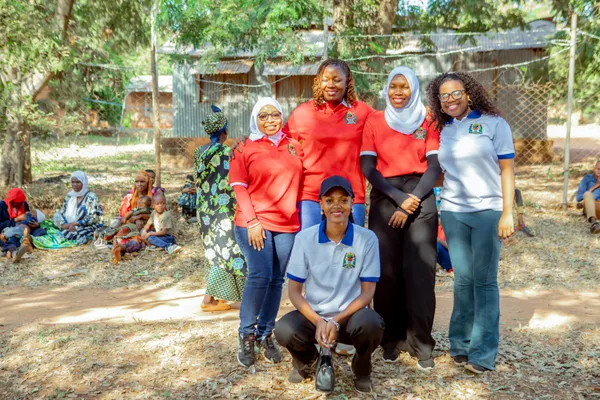
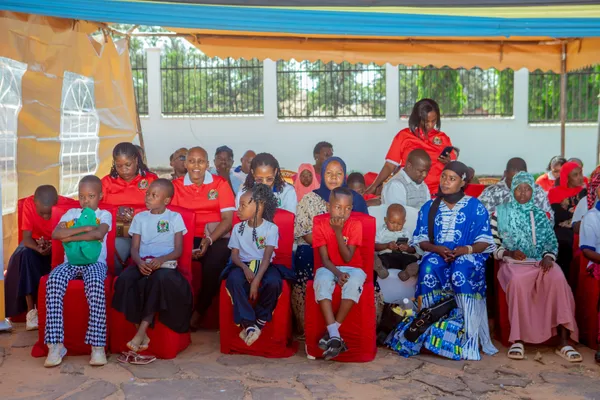
World Sickle Cell Day began with a 2.5-kilometre awareness walk to Maweni Hospital, bringing together Sickle Cell warriors, their families, healthcare professionals, advocates, and community members from across the Kigoma region.
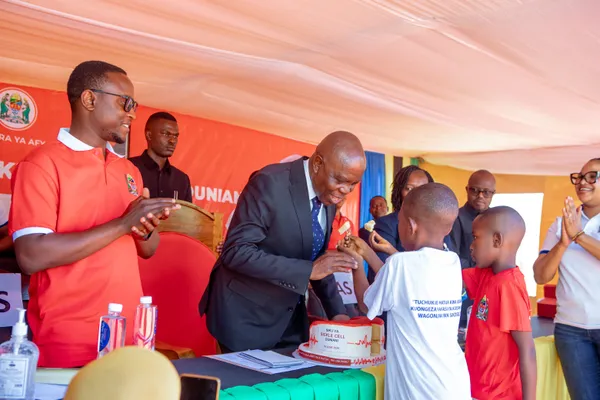
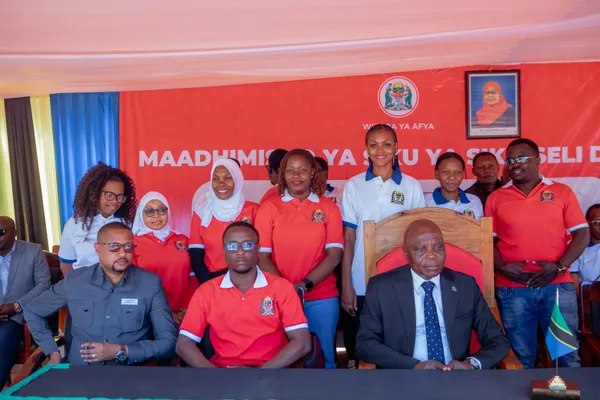
The main event was attended by Kigoma Regional Commissioner Simon Sirro, alongside representatives from organisations committed to supporting individuals and families affected by Sickle Cell Disease. Throughout the day, organisations shared their work on improving awareness, expanding access to care, and driving progress toward breaking the disease cycle in Tanzania.
Sickle Cell warriors from Kigoma took to the floor to share their own experiences — the daily challenges, the gaps in care, and the resilience it takes to live with this condition. Their voices were the centre of the day.
The Sabrina Foundation’s Booth
The Sabrina Foundation hosted an educational booth focused specifically on Sickle Stroke — the devastating neurological complication that can strike children with Sickle Cell Disease without warning.
Through direct conversations with community members, patients, and families, we raised awareness about the signs, risks, and effects of stroke in children living with the condition. We also had the chance to meet Sickle Stroke warriors and their families directly — to hear their stories, understand the barriers they face, and strengthen the Foundation’s understanding of what support looks like on the ground in Kigoma.
World Sickle Cell Day 2026 was a step forward. More communities reached. More connections made. More families who now know they are not alone.
Event Gallery
Photos from the day.